FC 27 best formation: why 433(2) is the new meta and how to set it up
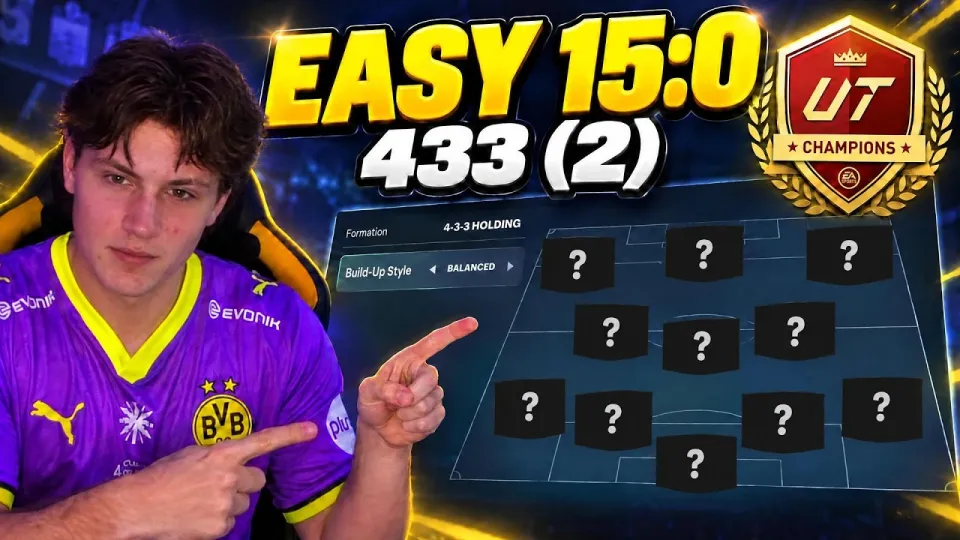
Video: The New FC 27 Best Formation Is Here (433 2 Meta)
· based on the channel LucasGeerken
The FC 27 best formation is the 433(2): a single holding midfielder sitting behind two box-to-box eights, with two narrow wingers and one striker. It has become the meta because it gives you a free man in central midfield against the two most common opposing shapes while still keeping three attackers high up the pitch. The setup below covers the roles, the custom tactics and the in-game habits that make the shape actually work.
Why 433(2) is the FC 27 meta formation
The 433(2) wins games because it creates a numerical advantage in the exact zone where FC 27 matches are decided. Almost every popular shape — the 4231, the 442, the 4411 — puts two players in central midfield. The 433(2) puts three there: one CDM screening the back four and two eights pushing into the half-spaces. That extra body means one of your midfielders is always free when you build out from the back, and the passing lane to him is usually open because the opponent's two central players cannot cover three runners.
The second reason is defensive coverage. The single pivot shields the centre-backs, and the two eights drop into a compact bank of four with the wingers when you lose the ball. You defend with eight outfield players behind the ball without sacrificing the counter-attacking threat of three forwards. In a game where transition goals decide most matches, that balance is the whole point.
Player roles for the 433(2)
Every role in this shape has a specific job, and one wrong instruction breaks the whole structure. Set them up like this:
- CDM — holding or anchor. The most important instruction in the formation. He must stay in front of the centre-backs and never join the attack. If he pushes forward, your back four is exposed to every counter.
- Right CM — box-to-box. Covers ground from his own box to the opponent's, arrives late in the area and doubles up with the right winger.
- Left CM — playmaker or deep-lying support. Sits slightly deeper than the right eight, receives between the lines and switches play. The asymmetry keeps the midfield from being flat.
- Wingers — stay wide, cut inside. Both should start high and hug the touchline to stretch the opponent's back four, then attack the half-space when the ball is on the opposite side.
- Striker — false nine or advanced forward. A false nine drops in to combine with the eights; an advanced forward pins the centre-backs. Pick the one that matches your opponent's line height.
- Full-backs — one attacking, one staying back. Overlapping on one side is fine; both full-backs bombing forward at once is how this formation concedes.
Custom tactics that make the 433(2) work
The custom tactics should be built around patient buildup and a fast final third. A workable starting point for the FC 27 meta:
- Defensive width: fairly narrow (around 4/10) so the midfield bank stays compact and the eights are close enough to press together.
- Depth: around 5/10 — deep enough to protect against through balls, high enough to squeeze the opponent's buildup.
- Attacking width: wide (7–8/10), because the wingers are your only source of width in this shape.
- Players in box: 5–6. More than that and the CDM gets dragged forward.
- Build-up play: short passing with a moderate speed. The 433(2) is a possession shape; rushing passes into the striker wastes the midfield overload.
- Defensive style: balanced press rather than constant pressure, so the single pivot is not left alone when the first press is beaten.
How to attack with the 433(2)
Attacking in the 433(2) is about pulling the opponent's midfield apart, then hitting the free man. The pattern is simple and repeatable:
- Build through the CDM and the deeper of the two eights. Do not force the ball forward on the first pass.
- When the opponent's midfield shifts to the ball side, switch to the free eight or directly to the opposite winger.
- Use the striker as a wall — pass into his feet, lay it off to the arriving box-to-box mid, and shoot from the edge of the area.
- If the opponent's full-back presses your winger, the overlapping full-back on that side becomes free for the cutback.
Most goals in this formation come from cutbacks and late runs by the right eight, not from isolated dribbling. Keep the wingers wide until the ball is switched, then let them attack the back post.
What to avoid with the 433(2)
The biggest mistake is turning the CDM into a second attacker. Once he pushes forward, the shape becomes a 4141 with no screen, and every lost ball turns into a two-on-two counter against your centre-backs. Keep him home even when you are chasing a goal.
The second mistake is leaving both full-backs on attacking instructions. The 433(2) has no wide midfielders to cover those flanks, so the space behind the full-backs is the formation's main weakness. Opponents who play a fast winger on the counter will punish it every time. Tell one full-back to stay back, and cover the other side with the ball-side eight.
Finally, avoid high attacking width combined with a very high defensive line. The wingers need width, but the back four does not — a high line with wide, isolated full-backs is the fastest way to concede through balls in FC 27.
Who should use the 433(2) in FC 27
The 433(2) suits players who like controlling the middle of the pitch and building patiently rather than spamming through balls. If you are comfortable with one holding midfielder and two eights, and you can resist the urge to send the CDM forward, this is the most balanced shape in the game right now. Players who prefer a pure counter-attacking style or two-striker systems will find the 442 or 4222 more natural.
Summary
The 433(2) is the FC 27 best formation for most competitive players because three central midfielders beat two, and the single pivot keeps the back four protected. Set the CDM to a holding role, keep one full-back at home, use wide wingers with a compact defensive block, and attack through switches and cutbacks. The channel LucasGeerken breaks down this exact 433(2) meta setup in his video, including the role instructions and the changes he would make to a typical FC 27 tactic. Copy the structure, adjust the depth to your opponent's line height, and the shape will do most of the work for you.
Key takeaways
- The 433(2) is the formation most competitive FC 27 players are switching to, built on a single holding midfielder behind two box-to-box eights.
- Its strength is central overload: three midfielders against the two most popular opposing shapes create a free man in the middle third.
- The single CDM must be set to a holding or anchor-style role; if he joins the attack, the formation loses its entire defensive structure.
- Both wide forwards should stay high and narrow, stretching the pitch only when the ball reaches the full-back on their side.
- The main weakness is space behind the attacking full-backs, which is why one full-back should be told to stay back.
Source: The New FC 27 Best Formation Is Here (433 2 Meta) · Markdown version
Questions & answers
Is 433(2) really the best formation in FC 27?
For most competitive players, yes. It puts three players in central midfield against the two used by the most common opposing shapes, which creates a free man in buildup. It also defends with eight players behind the ball, so it does not sacrifice stability for attacking numbers.
What role should the CDM have in the 433(2)?
A holding or anchor-style role with no attacking freedom. He must stay in front of the centre-backs at all times. If he joins the attack, the formation loses its screen and becomes exposed to counters.
How do I stop conceding on the counter with the 433(2)?
Keep one full-back on a stay-back instruction and set defensive width fairly narrow so the eights stay close to the pivot. Avoid a very high defensive line combined with both full-backs attacking, since there are no wide midfielders to cover those flanks.
Can I use the 433(2) with a false nine?
Yes. A false nine works well because he drops in to combine with the two eights, creating overloads between the lines. If the opponent sits deep with a low block, an advanced forward who pins the centre-backs is often the better choice.